


Air travel in Central Asia is growing fast, and Uzbekistan wants to turn that growth into a lasting transit advantage. At the sixth Central Asia Aviation Summit in Tashkent, Jamoliddin Nazarov, head of the Air Transport Department at the Ministry of Transport, presented the region's outlook.
Key numbers
- Airlines in the five Central Asian countries carried 31.7 million passengers in 2025.
- By 2035 this could reach about 59 million, an average growth of 6.4% a year.
- Annual air cargo volumes in the region have passed 335,000 tons.
- More than $5 billion is expected to be invested in airport infrastructure through 2035.
Uzbekistan's aviation market
Since 2018–2019 Uzbekistan has created a Ministry of Transport, separated airline, airport and air navigation functions and set up an independent regulator. The market has opened to private carriers: the country now has more than 10 domestic airlines and a fleet of over 110 aircraft, growing by about 15 planes a year. In 2025 Uzbek airlines carried more than 11 million passengers.
Navoi and the geography advantage
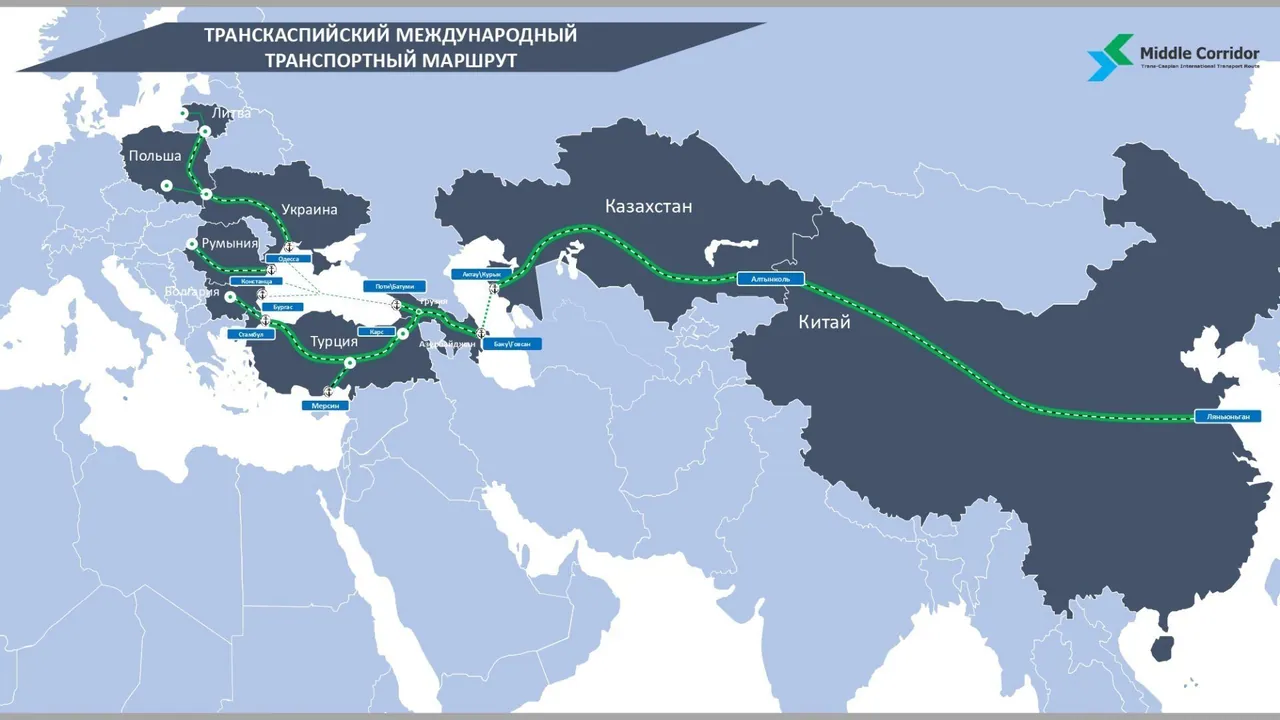
According to figures presented at the summit, flights between Southeast Asia and Europe via some competing hubs add more than 6% to the distance, while routing through Tashkent adds less than 1%. Uzbekistan's priorities include more air links along the Trans-Caspian route, developing Navoi International Airport into an international cargo hub, and better integration of air, rail and road transport. Growing e-commerce shipments add to the demand for such multimodal logistics.
"Our main task is to turn this natural geographic advantage into sustainable transit flows and new economic opportunities."
More flights and more cargo capacity also mean more goods that need fast, reliable delivery on the ground once they land.
Source: Trend.az