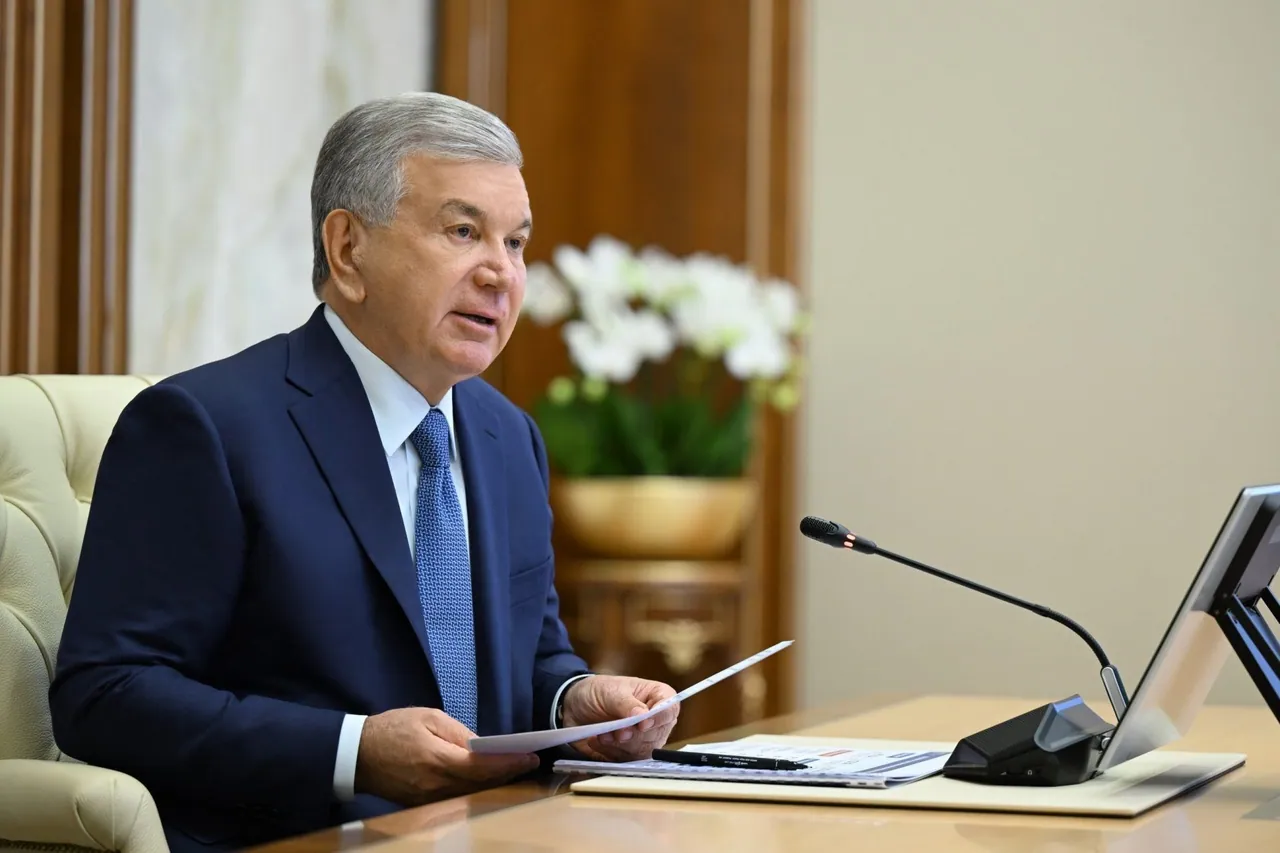


Rail carries about 70% of Uzbekistan's foreign trade cargo — roughly 46 million tonnes a year. But growing demand has turned freight wagons into a bottleneck. At a government meeting reviewing results for the first half of 2026, President Shavkat Mirziyoyev ordered officials to secure $200 million in World Bank financing for railway infrastructure by the end of the year.
The problem in numbers
- Since the start of 2026, cement producers have been unable to get 2,800 wagons they requested.
- The 1,300 additional wagons planned for production in the second half of the year will not cover demand.
- Three corridors are overloaded: Angren–Pap, Tashguzar–Kumkurgan and Tashkent–Samarkand.
What the President ordered
- secure World Bank financing for rail infrastructure
- within 10 days, prepare a plan to bring 10,000 idle wagons from partner countries into Uzbekistan together with the private sector
- the Prosecutor General's Office will check how funds for expanding the wagon fleet were used and how wagons are allocated to businesses
- prepare proposals to make wagon allocation transparent
Entrepreneurs have long complained about wagon availability and the efficiency of rail services, and the government now treats rail capacity as a key constraint on trade and industrial growth.
What it means for shippers
While rail capacity catches up, road transport takes on more of the load, especially for shorter routes and urgent shipments. Transparent, digital allocation of transport — whether wagons or trucks — helps businesses plan deliveries and avoid costly delays.
Source: Trend.az