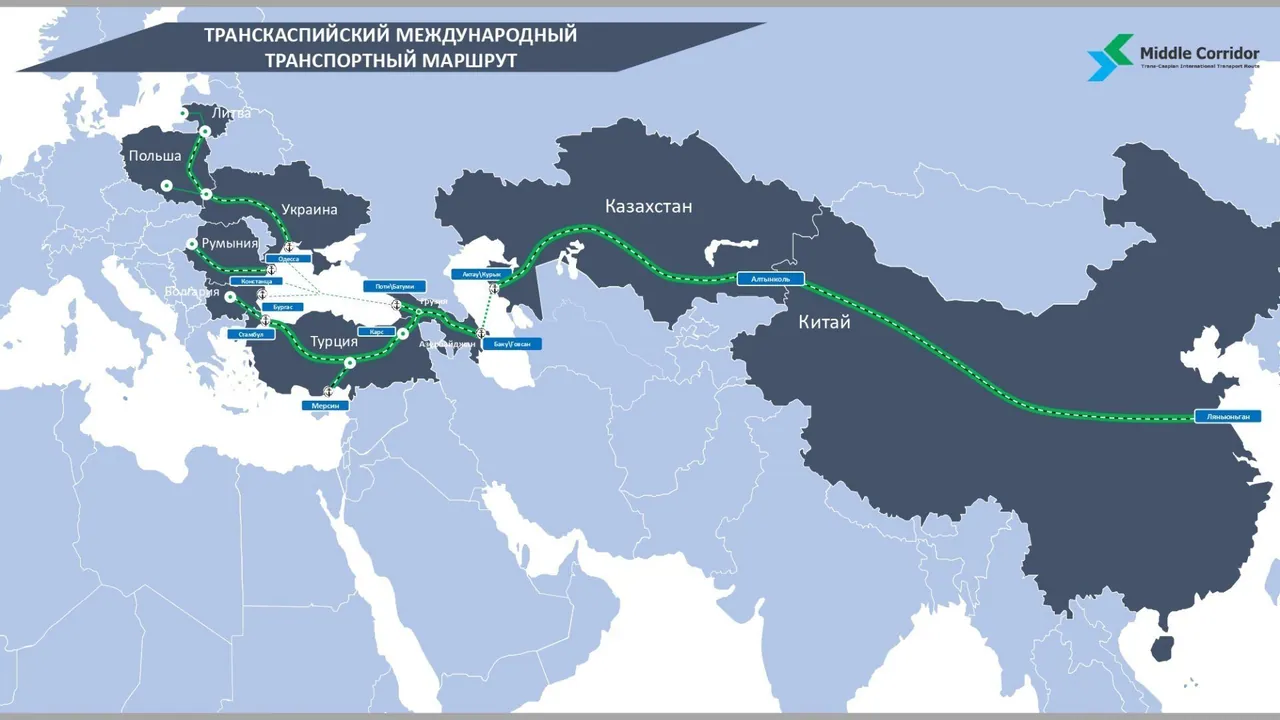


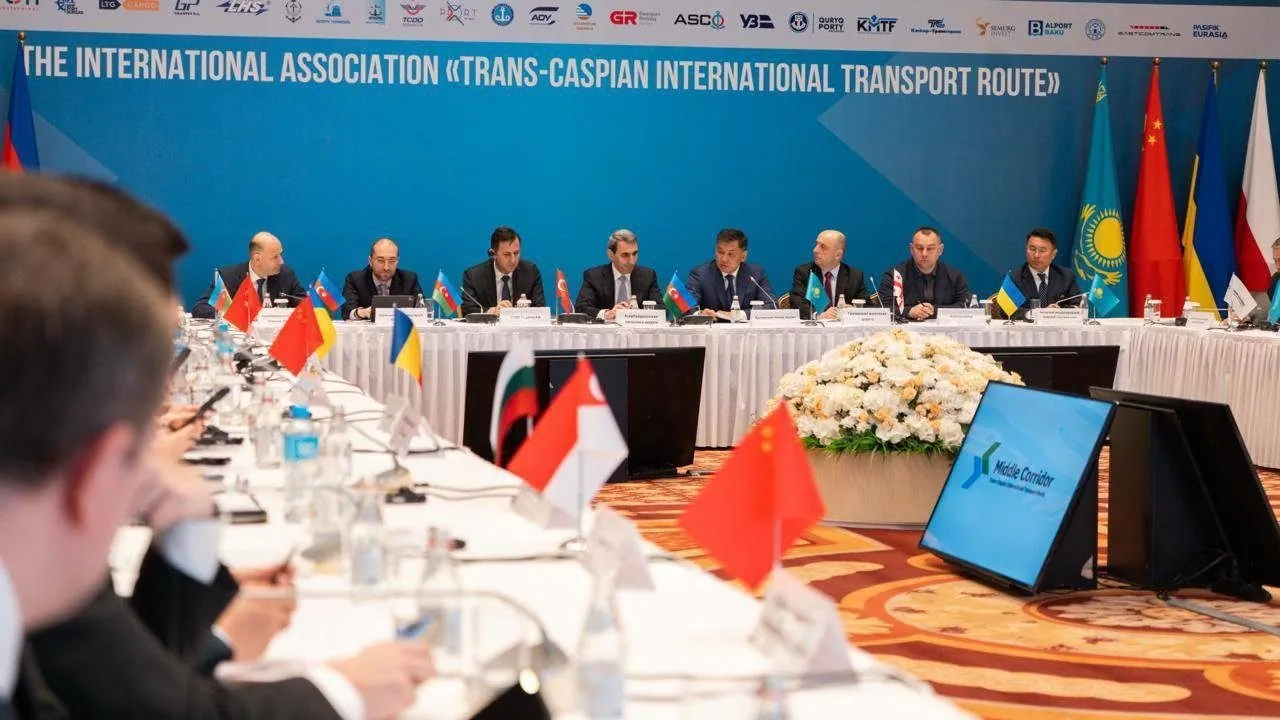
The Trans-Caspian International Transport Route (TITR), better known as the Middle Corridor, links China and Europe through Central Asia, the Caspian Sea and the South Caucasus. On April 24, 2026, the board and general assembly of the TITR association met in Astana and approved a detailed work plan for the year.
The meeting brought together representatives of Kazakhstan, China, Azerbaijan, Georgia and Türkiye, as well as Ukraine, Bulgaria, Romania and international partner Singapore.
Digital first
The main focus of the 2026 plan is digitalizing transport processes:
- electronic document management with digital signatures
- direct data exchange between customs authorities and other participants in the shipping chain
Kazakhstan's national railway company KTZ expects these steps to shorten transit times and make the route more transparent for shippers.
More containers
The plan also targets container growth, including the transit of 600 container trains from China through Kazakhstan in 2026, along with closer coordination between Caspian ports and terminals.
The trend is already visible. In the first quarter of 2026, 125 container trains crossed Kazakhstan along the corridor, 34.4% more than a year earlier. Over seven years, Middle Corridor freight through Kazakhstan has grown more than fivefold, from 0.8 to 4.5 million tonnes a year.
Why it matters for Uzbekistan
The Middle Corridor is one of the shortest land routes between Asia and Europe for Uzbek exporters and importers. Faster paperwork and better coordination at Caspian ports mean shorter delivery times and more predictable logistics costs for businesses in the region.
Source: The Times of Central Asia