

On October 12, 2026, President Shavkat Mirziyoyev signed a decree setting transport and logistics targets for 2030, the Ministry of Transport reported. The document combines ambitious goals with concrete incentives for companies that build and run logistics centers.
Targets for 2030
- at least 40 million tonnes of annual capacity at logistics hubs
- international dry ports to grow from 24 to 30
- exports of transport and logistics services to reach $3.5 billion
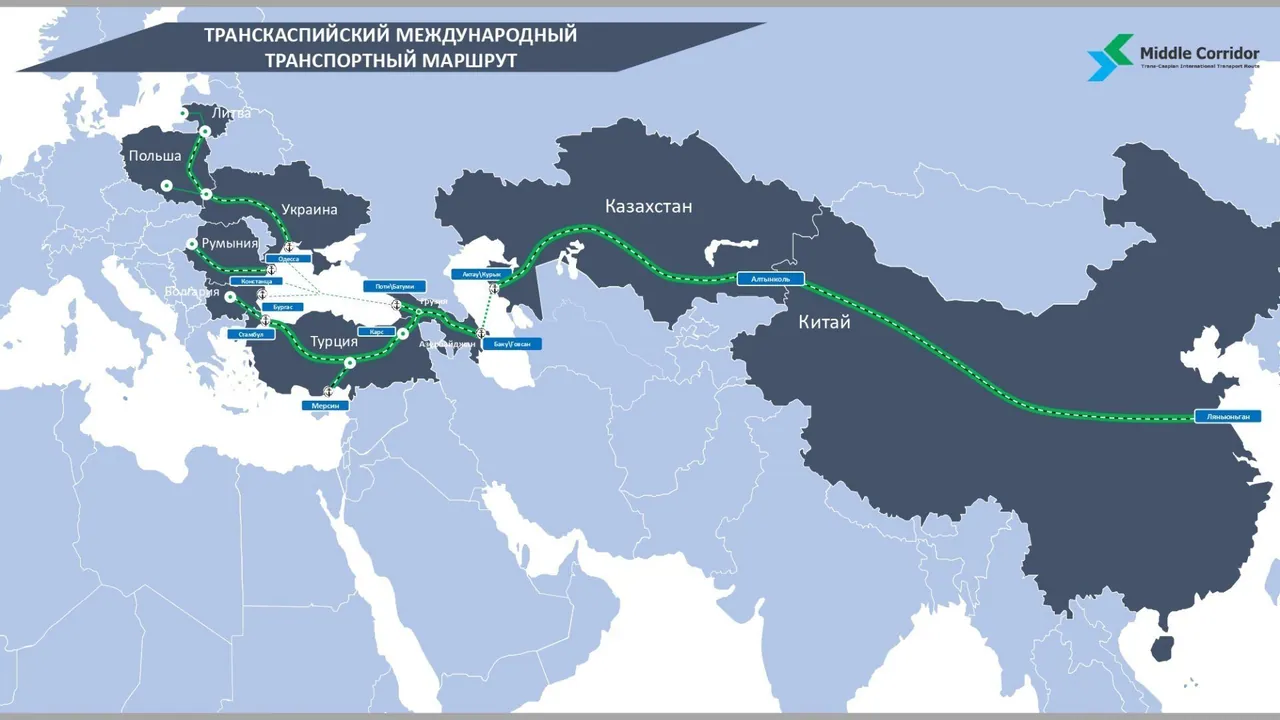
- freight transit through Uzbekistan to reach 18.5 million tonnes
- freight and container handling capacity at border crossings to double
Where the logistics zones will be
Specialized logistics areas are designated in Khanabad (Andijan region), Alat district (Bukhara region), Surkhandarya region, and Yangiyul and Akhangaran districts (Tashkent region).
Digital requirements
By the end of 2030, logistics centers must introduce terminal operating systems and warehouse management systems and connect to the Ministry of Transport's E-Logistika platform.
Incentives for business
- Qualifying logistics centers are exempt from land and property taxes until 2040. To qualify, a center must be listed under the UN ESCAP Intergovernmental Agreement on Dry Ports, use the required management systems and hold a rating of at least BB on E-Logistika.
- Centers on the national register are exempt until August 1, 2029 from customs duties and mandatory certification on imported warehouse equipment, cargo-handling machinery and spare parts not produced in Uzbekistan.
- Manufacturers of M2, M3 and N category vehicles (buses and trucks) may import components not made locally duty-free until December 31, 2027.
Cheaper courier parcels
From November 1, 2026, the customs clearance fee for international courier shipments is reduced by 20%. For online shoppers and small businesses that receive goods from abroad, this means lower costs per parcel.
More capacity, more transit and cheaper clearance all point the same way: more cargo moving across the country — and more demand for fast, reliable delivery from warehouse to door.
Source: Trend.az