

President Shavkat Mirziyoyev has reviewed a presentation on the development of Uzbekistan's transport sector. The goal is to strengthen the country's role as a land bridge between Asia and Europe and give businesses better access to foreign markets.
Targets for 2030
- double the volume of transport services
- attract $9.1 billion of investment into the sector
- raise exports of transport services to $5.7 billion
Airports
New airport complexes in Tashkent and Bukhara are being built at a combined cost of nearly $3 billion. The first stage of the new Tashkent International Airport is designed for up to 20 million passengers a year. Airports in Urgench, Namangan and Andijan are being modernized.
Roads
Construction of the $2.2 billion Tashkent–Samarkand toll highway has started, and the country's first toll road between Urgench and Khiva is already open. Investors are being selected for the Tashkent–Andijan and Tashkent–Bostanlyk toll roads.
Railways
$200 million is planned for modernizing several sections, which could raise their capacity by 25–30%. The plans also include the China–Kyrgyzstan–Uzbekistan railway, a high-speed Tashkent–Samarkand line and further electrification.
Logistics and digital freight
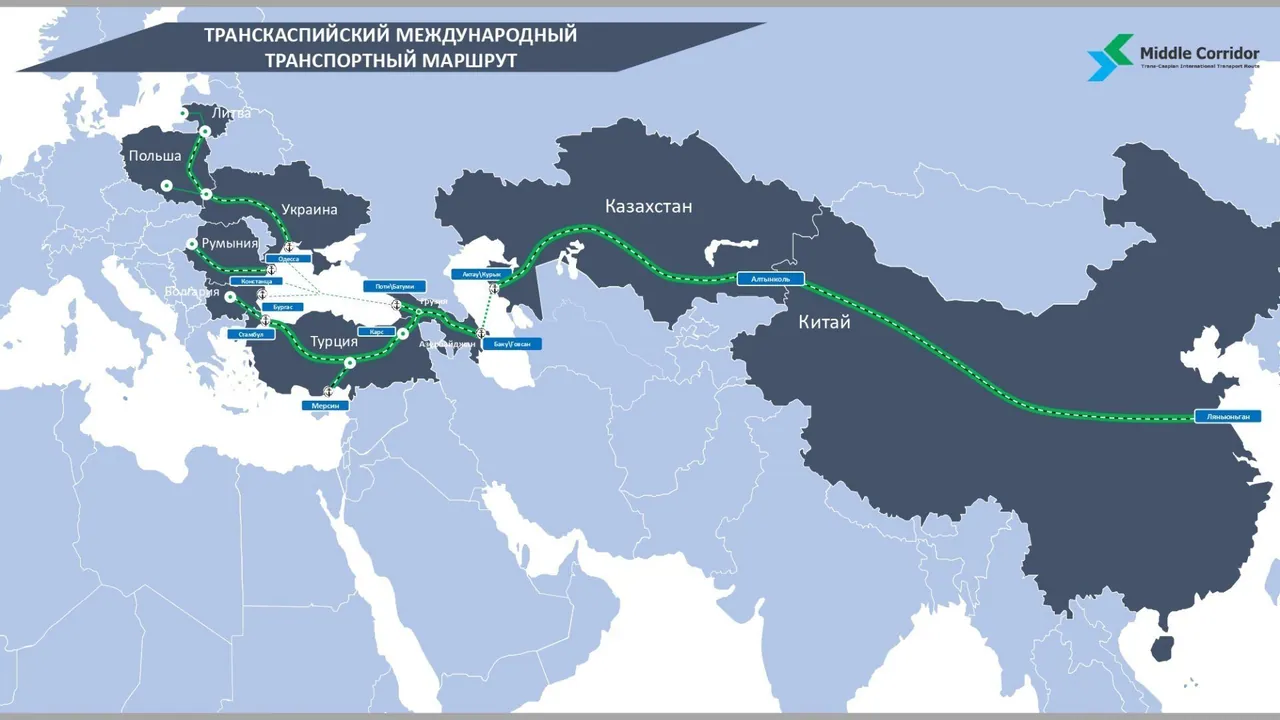
The government plans 17 logistics centers and terminals and is working with Caspian ports (Aktau, Turkmenbashi, Baku) and Black Sea ports (Poti, Anaklia); an agreement has been signed for a logistics center in Poti.
One figure stands out: over 42% of freight transport is still in the shadow economy. To change this, officials proposed a unified digital transport system with a carrier registry, an electronic platform for transport orders and waybills, electronic permits and real-time tracking of international cargo.
That is exactly the direction digital logistics platforms are moving in: transparent orders, verified carriers and cargo you can track from pickup to delivery.
Source: Trend.az